How to Get Kids to Read in the Digital Age

For many kids, a screen means instant entertainment with videos and games. So how do you get kids to read in the digital age? How do you motivate your child to pick up an actual book? Is print better than digital? Let’s explore…
Are Screens Replacing Books?
Digital devices like tablets and phones have definitely changed the way children view books. Screens captivate kids with YouTube clips and games like Roblox. Books, by comparison, can feel less exciting. Publishers are aware of this shift, especially when it comes to the tween market (ages 9-12). They’re making a significant effort to create books that grab attention inside and out.
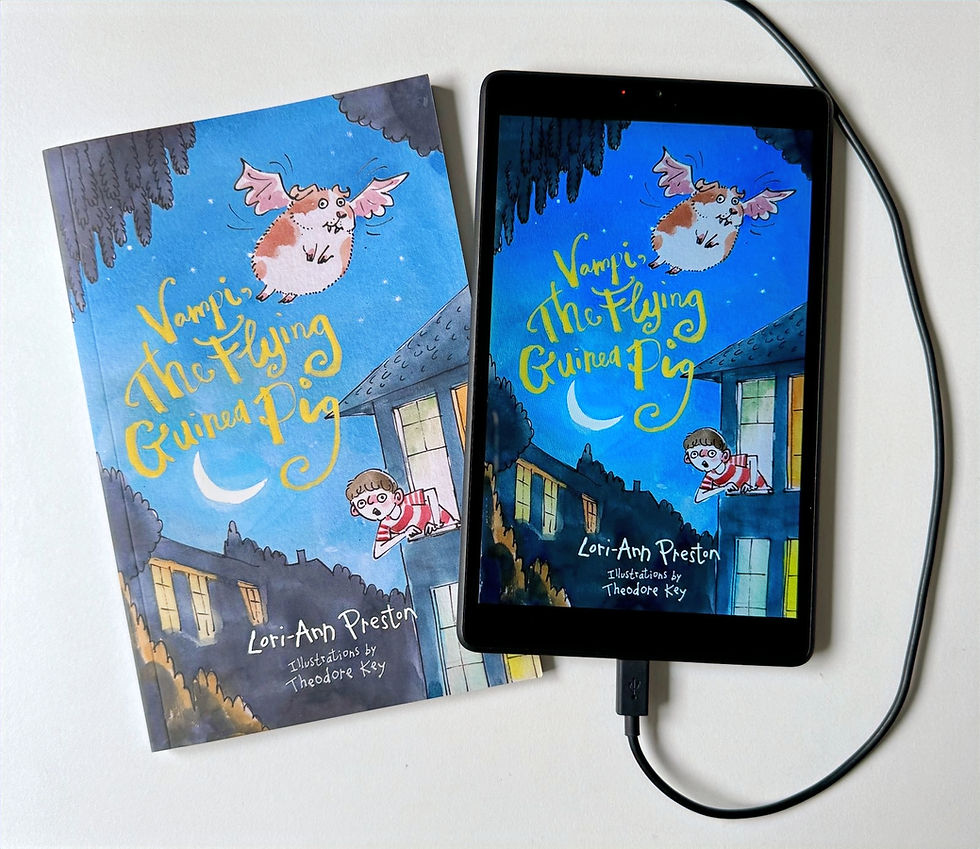
Why Book Covers Matter
We all know the saying, “Don’t judge a book by its cover,” but let’s be honest, everyone does, especially kids. When you walk in a bookshop, you'll see that the shelves are filled with bold colours, glittery titles, and shiny, embossed text. It’s all part of making reading appealing and irresistible to kids. Children will want to pick up the book and explore it further.

Get Kids to Read by Choosing Their Own Books
A great way to get kids excited about reading is to let them choose their books. Travelling bookshops and school book fairs allow children to explore different genres and pick what interests them. Of course, buying new books isn’t always affordable, which is where libraries become so important. Local and school libraries offer free access to children. The simple act of going on a library outing encourages responsibility, and builds a sense of ownership over a child’s reading journey.
The Comeback of School Libraries
A few years ago, some schools moved away from physical libraries, thinking digital reading was the way forward. But many of those libraries have since reopened. Educators now recognise the value of reading printed books, not just for enjoyment but also for improving focus and comprehension.
Print vs. Digital: Which is better?
Studies have shown that reading in print is more beneficial in terms of building concentration and understanding. An article from 2021 by James Lang, featured in the Chronicle of Higher Education, confirms that print readers have a deeper reading experience and level of understanding than those reading digitally.
That said, there are benefits to digital reading. Devices are portable and instantly accessible, and ebooks are often cheaper than physical books. You can’t carry a whole big pile of physical books around, but you can do so on a device.
It’s also quick and easy to download a digital book, a massive bonus for busy families.
Free Digital Books in South Africa
There are many free digital resources available for children. Nal’ibali, for example, offers free stories in 11 official languages. The stories here are fun, relatable and perfect for South African kids.
Reading online can be a great alternative for kids, especially when combined with printed books.
The Bottom Line
When it comes to encouraging reading, there is no one-size-fits-all approach. The key is to offer a balanced mix of physical books and digital options. Find out what your child enjoys and follow their lead.
Personally, I enjoy both formats, but nothing beats the smell and feel of a real book. So, to wrap it up, let your child guide the process and explore reading in a way that works for them.
Paper or screen, as long as they are flipping pages or swiping through chapters, you’re winning!



Comments